Dams
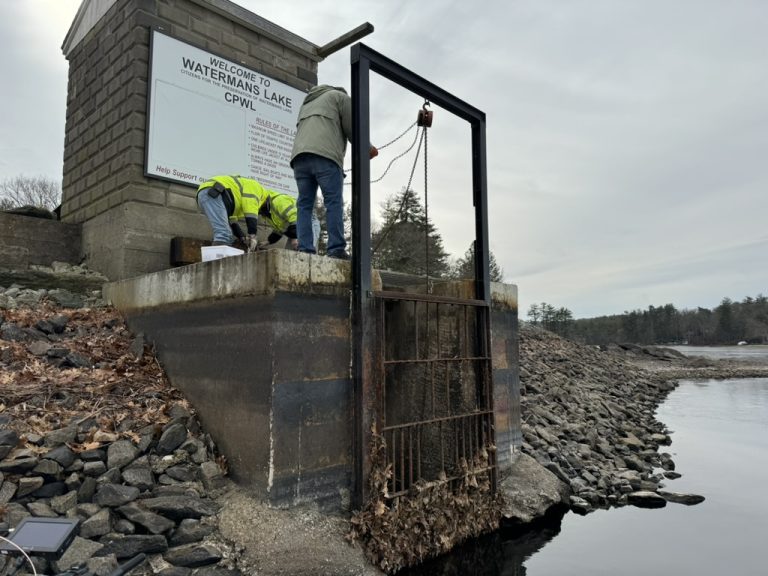
The majority of large lakes and ponds in Rhode Island are, in fact, reservoirs or waterbodies created by building a dam. Often, those dams were built some time ago, and residents may not even be aware that the dam exists. Unfortunately, dams require care and maintenance, which is often overlooked due to a lack of awareness or even knowledge of who is responsible for the dam. The resulting inattention occasionally led to significant problems such as dam breaches. This page includes links to information about dams in general, as well as to Rhode Island-specific regulations and articles, and documentation of the recent history of dam management in Rhode Island.
|
TITLE |
SOURCE |
TYPE |
|---|---|---|
|
Rhode Island’s Dangerous Dams – Editorial |
Providence Journal |
|
|
Dams – An Overview |
Miami Museum of Science – Unity Program |
|
|
The Trouble with Dams |
The Atlantic Monthly |
|
|
Dam Safety Regulations and Resources |
Association of State Dam Safety Officials |
Invasive Species
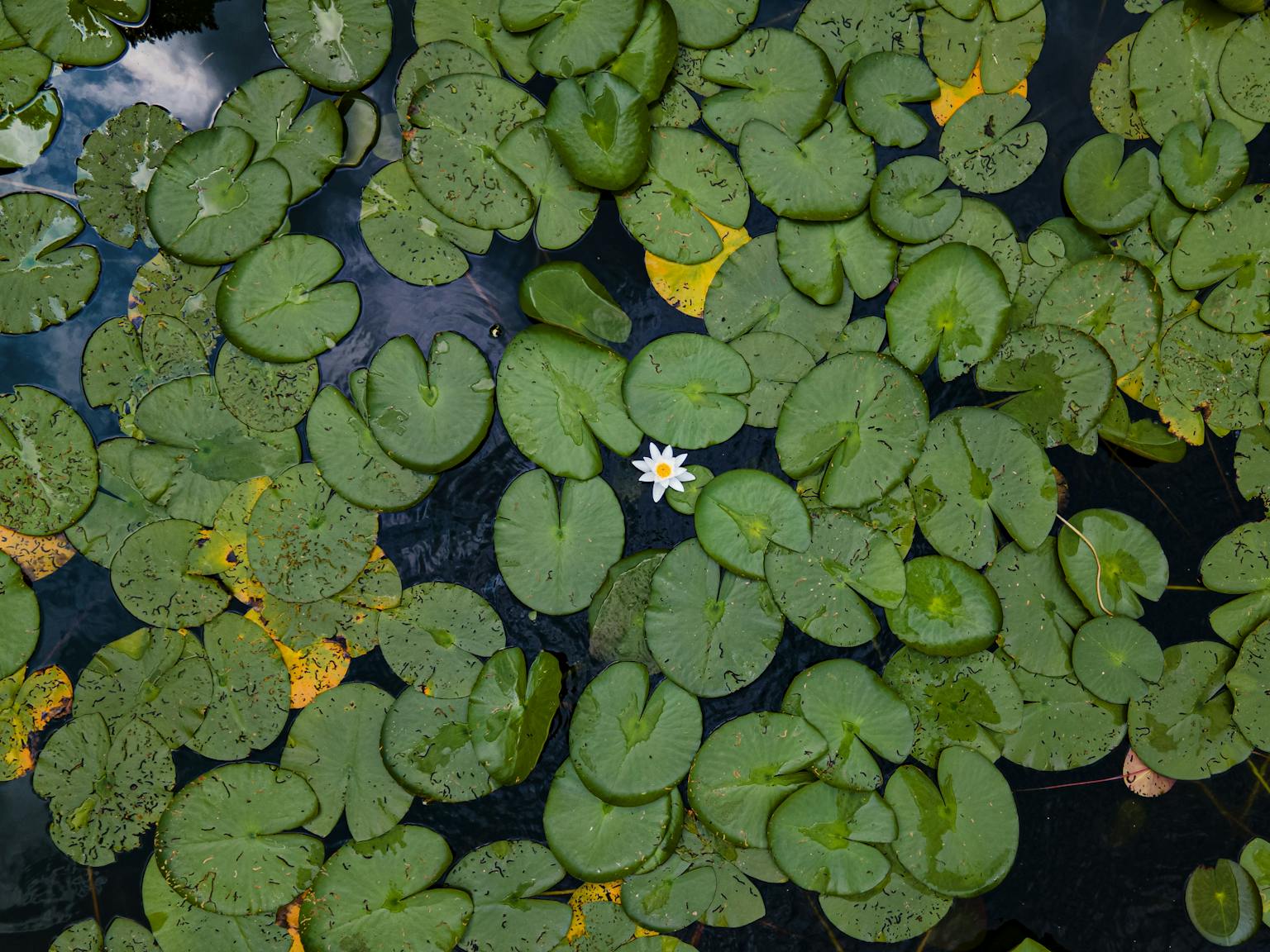
Invasive aquatic plants can fundamentally alter freshwater ecosystems, often leading to a collapse in local biodiversity. Unlike native species, these invaders typically lack natural predators, allowing them to form dense, monoculture mats that block sunlight from reaching deeper waters and deplete dissolved oxygen levels. Beyond the ecological damage, these thick infestations can obstruct boat engines, interfere with swimming and fishing, and decrease property values by turning clear lakefronts into impenetrable marshes. Effective control is therefore vital to maintaining the ecological balance, recreational utility, and economic health of lakeside communities.
|
TITLE |
SOURCE |
TYPE |
|---|---|---|
|
Additional Resources for Information on Aquatic Invasive Plants |
URI Watershed Watch |
|
|
Archive of RIINVASIVES – Invasive species in RI: Science, news & events |
URI List Server |
|
|
RI Dept of Environmental Management |
||
|
University of Florida Extension |
||
|
Citizen’s Manual for Developing Integrated Aquatic Vegetation Management Plan |
Washington State Department of Ecology |
|
|
Education and Outreach Materials |
RI Coastal Resources Management Council |
|
|
Identification and Management of Aquatic Invasive Species |
RI DEM, Katie DeGoosh & Christine Dudley |
|
|
Herbicide Information |
Eagle Lake Property Owner’s Association |
|
|
Learning about Aquatic Invasive Species |
URI Watershed Watch |
|
|
Maine Center for Aquatic Invasive Plants |
Maine Volunteer Lake Monitoring Program |
Managing Canada Geese
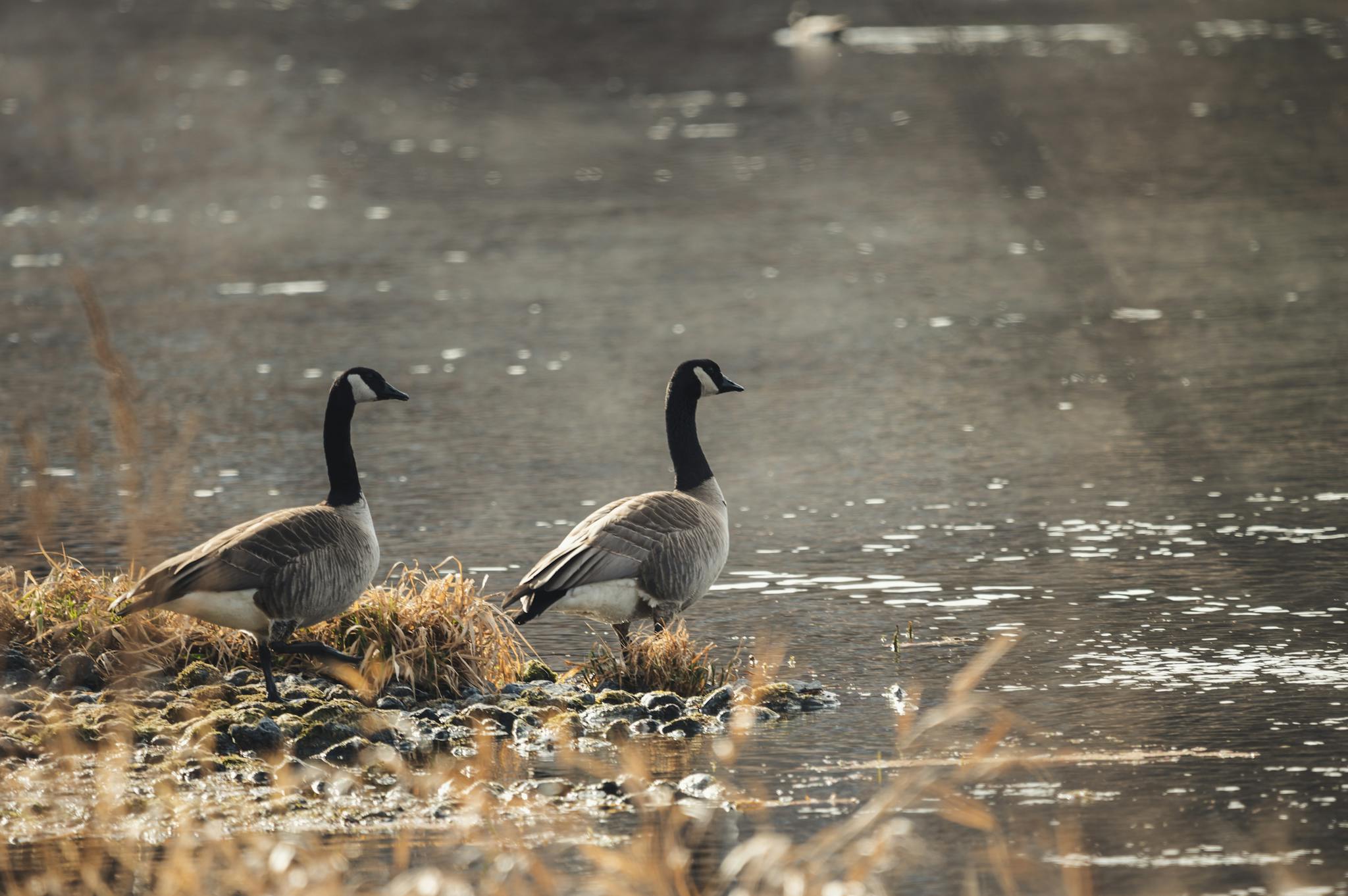
One of the joys of living by or visiting lakes is viewing wildlife, such as beavers, muskrats, ospreys, ducks, geese, swans, and more! However, many of these beloved creatures, such as many Canada geese, are not native to Rhode Island and can create significant problems for our lakes, lawns, parks, and other lake residents. Below are links to information to help you manage geese on your own property or to help you develop a community program for nuisance goose management. In Rhode Island, the Eastern RI Conservation District (ERICD) has adopted the GeesePeace model to manage geese in waterways throughout the state.
|
TITLE |
RESOURCE |
TYPE |
|---|---|---|
|
5 Reasons Why Feeding Waterfowl is Harmful |
RI DEM |
|
|
Geese Peace |
GeesePeace Program |
|
|
Goose Fact Sheet |
Eastern Rhode Island Conservation District (ERICD) |
|
|
Fact Sheet – Managing Canada Goose Damage |
US Department of Agriculture (USDA) Wildlife Services (WS) |
|
|
Home owners guide to Canada Goose Management |
USDA Animal and Plant Health Inspection Service (APHIS) |
|
|
Living with Wildlife Canada Geese |
USDA APHIS |
|
|
Management of Canada Goose Nesting |
USDA WS |
|
|
Wildlife Damage Management |
State of New England Jersey Wildlife Damage Management |
Associations Serving RI Lakes
Save the Lakes is proud to work with the following organizations and associations:
- Bowdish Lake Association
- Citizen’s for the Preservation of Waterman Lake
- Georgiaville Pond Association
- Harrisville Spring Lake Campers, Inc.
- Hawkins Pond Association
- Hidden Shores Homeowners Association
- Lake Mishnock Preservation Association
- Locustville Pond Improvement Association
- Pascoag Upper Dam Association
- Property Owners Association of Keech Pond
- Quidnick Association
- RI Canoe & Kayak Association
- Sand Dam Reservoir Association
- Shadow Brook Condo Association
- Tiogue Lake Association
- Waterman Lake Shore Association
- Wilson Reservoir Association